Services
3D & WebGL websites
Scroll-driven 3D scenes, shaders and interactive product stories — built with Three.js, raw WebGL and GSAP.
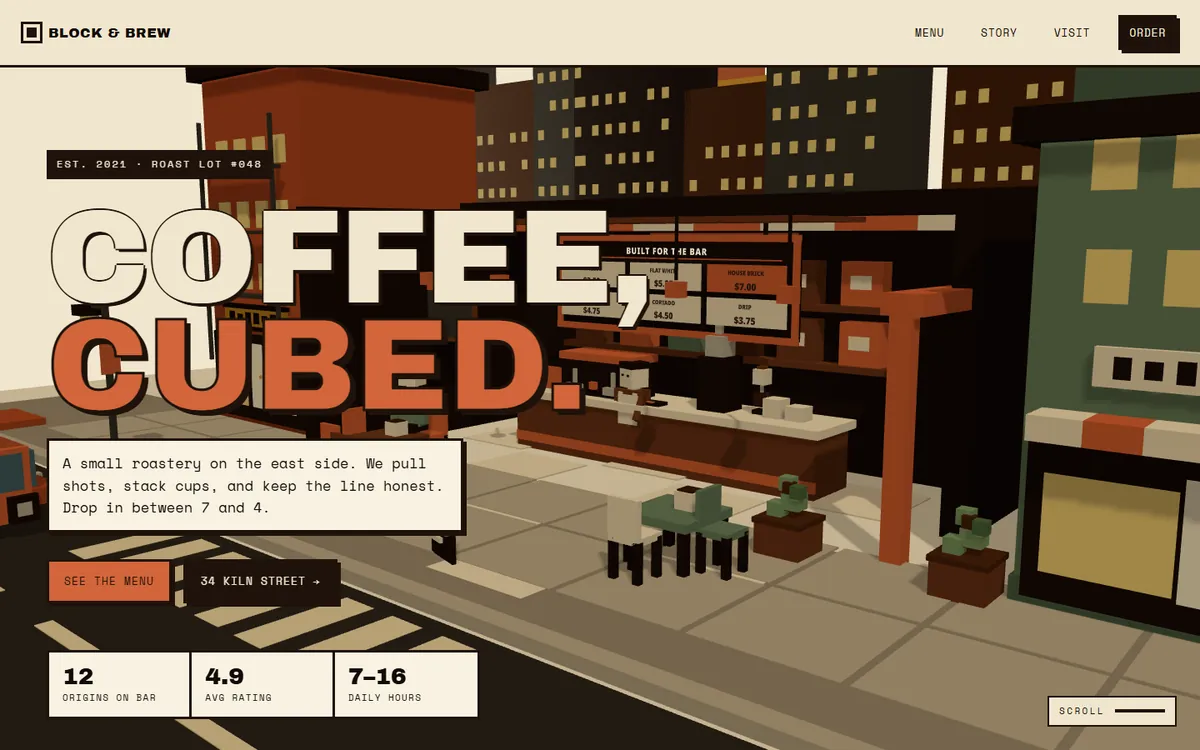
Saptarshi Chattopadhyay (Sappy) builds interactive 3D websites with Three.js, WebGL and GSAP. His work includes Coffee 3D, a voxel coffee bar in Three.js where scrolling flies the camera through the scene, and Three.js visualisations with GSAP-driven storytelling built as a full-stack engineer at Vibe Engine AI.
What you get
3D scenes
Interactive scenes in Three.js, with camera moves tied to scroll.
Shaders
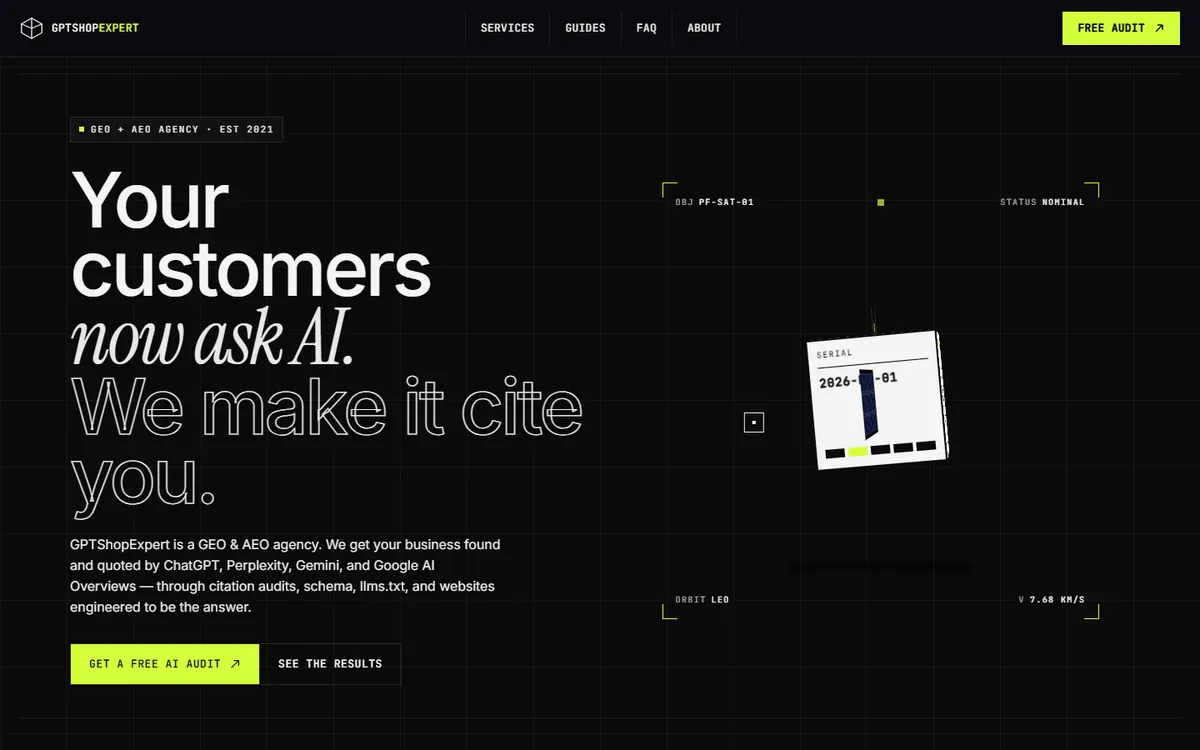
Custom GLSL effects — like the drifting mist in this site’s opening shot — kept light enough for laptops and phones.
Scroll storytelling
GSAP-driven sequences that pace a story as the visitor scrolls.
Performance budgets
Reduced-resolution rendering, drawing paused when the scene is off screen, and a still frame when motion is reduced.
Selected work

How it works
Brief
What should the visitor feel, see and do? References help most here.
Prototype
A rough scene to test the idea, the camera and performance early.
Build
The full scene and page, reviewed on a live preview link.
Launch
Tested on real phones and laptops, with fallbacks in place.
Tools Three.js · WebGL / GLSL · GSAP · React · Next.js
Questions
Will a 3D website be slow on phones?
It doesn’t have to be. Render at reduced resolution, stop drawing when the scene leaves the screen, and show a still when motion is reduced. The mist on this site renders at half resolution and pauses when you scroll away.
Three.js or raw WebGL?
Three.js for scenes with models, lights and cameras; raw WebGL for single full-screen effects. The mist on this site is one fragment shader and needs no library at all.
Can a 3D site still rank in search?
Yes, when the content is real HTML and the 3D is an enhancement on top. Every page on this site is static HTML; the WebGL layers load over it.
How do I get a quote?
Send a short brief through the contact form with references and a deadline. I usually reply within 24 hours.
Other services